
African Garden Egg Planting Guide: How to Grow Eggplant Successfully at Home
The African garden egg (Solanum aethiopicum) is a beloved vegetable across West and Central Africa, prized for its unique bitter-sweet flavor and impressive nutritional benefits. Whether you’re cultivating a backyard vegetable garden or growing in containers on your urban balcony, this comprehensive African garden egg planting guide will walk you through every step—from seed selection to bountiful harvest. Let’s grow delicious, homegrown garden eggs together!
🍆 African Garden Egg At A Glance
🌍What Is African Garden Egg and Why Grow It?
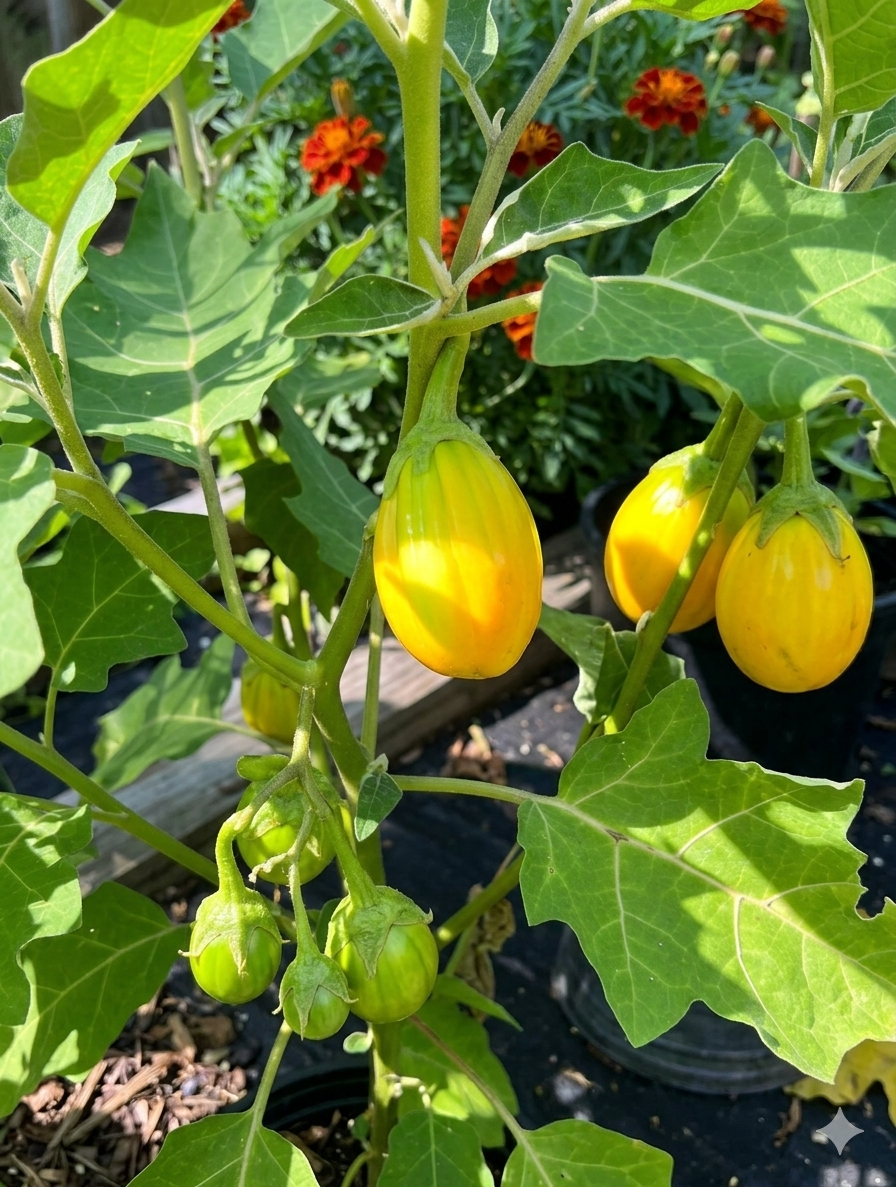
African garden egg, scientifically known as Solanum aethiopicum, is a species of eggplant native to Africa and distinct from the common purple eggplant (Solanum melongena) found in most supermarkets. These small, egg-shaped fruits come in various colors including white, green, orange, and red, with a slightly bitter taste that becomes milder when cooked.
Growing African garden egg at home connects you to centuries of African agricultural tradition while providing your family with a nutrient-dense vegetable. The plant is remarkably well-suited to warm climates and offers continuous harvests over several months. For gardeners interested in [heirloom vegetables] and cultural food crops, this is an essential addition to your garden.
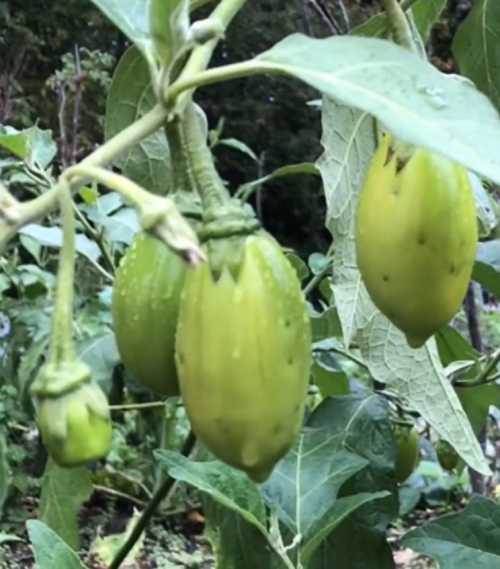
Health Benefits of African Garden Egg
- Rich in Antioxidants — Contains nasunin and other flavonoids that protect cells from damage
- Supports Heart Health — Fiber and potassium content helps regulate blood pressure
- Low Glycemic Index — Suitable for diabetics and those managing blood sugar
- High in B Vitamins — Supports energy metabolism and nervous system function
- Good Source of Fiber — Promotes digestive health and satiety
- Contains Iron — Helps prevent anemia, especially important in African diets
Popular African Garden Egg Varieties
☀️Ideal Climate and Growing Conditions for Garden Egg
African garden egg thrives in warm, tropical to subtropical climates similar to its native environment. Understanding the optimal growing conditions is crucial for successful cultivation, especially if you’re gardening in temperate regions where you may need to make adjustments.
Temperature Requirements
Garden egg is a warm-season crop that requires consistent heat for optimal growth and fruit production. The ideal temperature range is between 25°C and 35°C (77°F-95°F). Plants will stop growing when temperatures drop below 15°C (59°F) and may suffer damage from frost.
- Optimal Growing Temp: 25-35°C (77-95°F) during the day
- Night Temperature: Should not drop below 18°C (64°F) for best results
- Germination Temp: Seeds germinate best at 24-30°C (75-86°F)
- Frost Tolerance: None — plants will die if exposed to frost
Cold Climate Gardeners: If you live in a temperate region, start seeds indoors 8-10 weeks before the last frost date. Transplant outdoors only when nighttime temperatures consistently stay above 15°C (59°F). Consider using [season extension techniques] like black plastic mulch or row covers.
Sunlight Requirements
African garden egg requires full sun exposure to produce abundant, flavorful fruits. Aim for at least 6-8 hours of direct sunlight daily. Insufficient light leads to leggy plants, poor flowering, and reduced yields. In extremely hot climates (above 38°C/100°F), some afternoon shade can prevent heat stress.
Soil Requirements
Garden egg performs best in fertile, well-draining soil rich in organic matter. Heavy clay soils should be amended with compost and sand to improve drainage, as waterlogged roots lead to disease and poor growth. The ideal soil pH ranges from 5.5 to 6.8 (slightly acidic to neutral).
| Growing Factor | Optimal Condition | Acceptable Range |
|---|---|---|
| Soil Type | Sandy loam, rich in organic matter | Any well-draining soil |
| Soil pH | 6.0 – 6.5 | 5.5 – 6.8 |
| Sunlight | 8+ hours direct sun | 6-10 hours |
| Temperature | 25-32°C (77-90°F) | 20-38°C (68-100°F) |
| Humidity | 60-75% | 50-85% |
🌱Step-by-Step Guide to Planting African Garden Egg
Successful African garden egg cultivation begins with proper seed starting and transplanting techniques. While garden egg can be direct-seeded in tropical climates, starting seeds indoors gives you a head start and stronger transplants, especially in regions with shorter growing seasons.
Starting Seeds Indoors
Garden egg seeds benefit from indoor starting 8-12 weeks before your intended transplanting date. This allows seedlings to develop a strong root system before facing outdoor conditions. Seeds have a moderate germination rate, so plant a few extras to ensure adequate plants.
- Prepare seed trays — Fill with quality seed-starting mix, moisten thoroughly before sowing
- Sow seeds — Plant seeds ¼ inch (6mm) deep, spacing 2 inches apart in trays
- Cover and warm — Cover trays with plastic dome; place on heat mat or warm location (24-30°C)
- Provide light — Once sprouted (7-14 days), place under grow lights or sunny window for 12-14 hours daily
- Thin seedlings — When first true leaves appear, thin to strongest seedlings
- Pot up — Transplant to 3-4 inch pots when seedlings have 4-6 true leaves
- Harden off — Gradually expose to outdoor conditions over 7-10 days before transplanting
Insert image here
Alt: African garden egg seedlings growing in seed trays under grow lights
To improve germination rates, soak garden egg seeds in warm water (25-30°C) for 24 hours before planting. This softens the seed coat and can speed up germination by 3-5 days. Some gardeners also wrap seeds in a damp paper towel for 2-3 days until they show tiny root tips before planting.
Transplanting to the Garden
Transplant seedlings outdoors when they are 6-8 weeks old, have at least 6 true leaves, and nighttime temperatures consistently stay above 15°C (59°F). Choose a calm, cloudy day or transplant in the late afternoon to reduce transplant shock.
- Spacing: Plant seedlings 24-36 inches (60-90 cm) apart in rows 36 inches apart
- Depth: Plant at the same depth as in the pot, or slightly deeper to the first leaves
- Watering: Water deeply immediately after transplanting
- Mulching: Apply 2-3 inches of organic [mulch] around plants (not touching stems)
- Support: Install stakes or small cages at planting time for varieties that grow tall
Insert image here
Alt: Transplanting African garden egg seedlings into prepared garden bed with proper spacing
Container Growing Option
African garden egg grows well in containers, making it perfect for balcony gardens and small spaces. Choose pots at least 5 gallons (19 liters) in size with excellent drainage. Use high-quality potting mix amended with [compost], and be prepared to water more frequently than ground-planted specimens.
Container Success Tips: Use dark-colored containers to absorb heat in cooler climates. Place containers on wheeled plant caddies so you can move them to chase the sun or protect from extreme weather. Feed container plants every 2 weeks with balanced liquid fertilizer.
💧Caring for Your African Garden Egg Plants
Proper ongoing care is essential for healthy, productive garden egg plants. While these plants are relatively low-maintenance once established, consistent attention to watering, feeding, and pest management will maximize your harvest potential.
Watering Guidelines
African garden egg requires consistent moisture for optimal fruit development but doesn’t tolerate waterlogged soil. Aim to keep soil evenly moist, watering deeply when the top 1-2 inches of soil feels dry. Inconsistent watering leads to blossom end rot and bitter-tasting fruits.
- Frequency: Water deeply 1-2 times per week, more often during hot weather
- Method: Water at the base of plants; avoid wetting foliage to prevent disease
- Mulching: 2-3 inches of organic mulch helps retain soil moisture
- Morning Watering: Best time to water, allowing foliage to dry before evening
- Container Plants: Check daily — may need watering every day in hot weather
Avoid Overwatering: Garden egg roots are susceptible to root rot in soggy conditions. Ensure your planting area has good drainage. Yellowing lower leaves and wilting despite wet soil are signs of overwatering.
Fertilizing Schedule
Garden egg is a moderately heavy feeder, requiring regular fertilization throughout the growing season. A balanced approach using both organic amendments and liquid feeds produces the best results. Avoid excessive nitrogen, which promotes leafy growth at the expense of fruit production.
- At Planting: Work in 2-3 inches of aged compost and balanced granular fertilizer (10-10-10)
- Vegetative Stage: Apply nitrogen-rich fertilizer every 2 weeks until flowering begins
- Flowering/Fruiting: Switch to phosphorus-potassium heavy fertilizer (5-10-10 or tomato fertilizer)
- Side-Dressing: Apply compost or balanced fertilizer around plants monthly
- Organic Options: Use [compost tea], fish emulsion, or seaweed extract
Insert image here
Alt: Healthy African garden egg plant with purple flowers and developing fruits
Pruning and Support
While not strictly necessary, light pruning improves air circulation and can increase fruit size. Remove suckers (side shoots) that develop below the first flower cluster. Stake or cage tall varieties to prevent branches from breaking under the weight of fruit.
Common Pests and Diseases
African garden egg is susceptible to many of the same pests and diseases that affect other nightshade family plants. Regular monitoring and prompt action prevent minor issues from becoming major problems.
| Pest/Disease | Symptoms | Treatment |
|---|---|---|
| Aphids | Clusters on new growth, sticky residue | Spray with water, neem oil, or insecticidal soap |
| Flea Beetles | Tiny holes in leaves (shot-hole appearance) | Row covers, diatomaceous earth, neem oil |
| Spider Mites | Yellow stippling, fine webbing on leaves | Spray with water, increase humidity, miticide |
| Fruit Borers | Holes in fruits with larvae inside | Hand-pick, Bt spray, remove affected fruits |
| Bacterial Wilt | Sudden wilting, brown vascular tissue | Remove plants, rotate crops, no cure once infected |
| Leaf Spot | Brown or black spots on leaves | Remove affected leaves, improve air circulation |
Practice [companion planting] to naturally deter pests. Basil, marigolds, and nasturtiums planted near garden egg help repel aphids and other harmful insects. Encourage beneficial insects like ladybugs and lacewings that prey on common pests.
📅African Garden Egg Growth Stages and Timeline
Understanding the growth stages of African garden egg helps you anticipate plant needs and troubleshoot problems effectively. Here’s what to expect from seed to harvest over the typical 70-90 day growing period.
Seeds sprout 7-14 days after planting when kept at 24-30°C. First seed leaves (cotyledons) emerge. Keep soil consistently moist but not waterlogged.
True leaves develop, replacing cotyledons. Seedlings grow slowly initially. Transplant to larger pots when 4-6 true leaves appear. Begin light fertilization.
Harden off seedlings and transplant outdoors. Plants establish root systems in new location. Protect from strong winds and pests. Growth accelerates.
Rapid stem and leaf growth. Plants reach 12-24 inches tall. Install supports if needed. Continue regular watering and fertilization.
Purple or white flowers appear. Switch to phosphorus-rich fertilizer. Avoid nitrogen excess. Ensure consistent watering for fruit set.
Small fruits form after successful pollination. Fruits mature over 2-3 weeks. Begin harvesting when fruits reach desired size. Continue harvesting every 3-5 days.
Insert image here
Alt: African garden egg growth stages from seedling to flowering to fruit development
🧺Harvesting and Storing African Garden Egg
Knowing when and how to harvest African garden egg ensures the best flavor and extends your productive harvest season. Unlike some vegetables, garden eggs are harvested immature for culinary use, though fruits can be left to fully ripen for seed saving.
When to Harvest
African garden egg is typically ready for first harvest 70-90 days after transplanting, or about 100-120 days from seed. Harvest timing depends on your preferred use—younger fruits are more tender with milder flavor, while more mature fruits develop stronger taste.
- Size Indicator: Harvest when fruits reach 2-3 inches (5-7 cm) in diameter
- Skin Appearance: Skin should be glossy and firm, not dull or soft
- Color: Depends on variety—white, green, or just starting to show mature color
- Firmness Test: Gently press fruit; should feel firm with slight give
- Seed Development: Harvest before seeds become large and hard inside
Insert image here
Alt: Hand harvesting ripe white African garden eggs from plant using pruning shears
Proper Harvesting Technique
Use clean, sharp scissors or pruning shears to cut fruits from the plant, leaving about 1 inch of stem attached. Avoid pulling or twisting fruits, which can damage the plant and reduce future production. Handle fruits gently as they bruise easily.
Harvest fruits regularly every 3-5 days to encourage continued production. Leaving overripe fruits on the plant signals it to stop producing. With proper care and consistent harvesting, a single plant can produce 15-25 fruits over the season.
Storage Guidelines
Fresh African garden egg is best used within a few days of harvest for optimal flavor and texture. Proper storage can extend shelf life up to 1-2 weeks.
- Room Temperature: Store in cool, dry place for 2-3 days if using soon
- Refrigerator: Store in crisper drawer, unwashed, in perforated plastic bag for up to 1-2 weeks
- Ideal Temp: 50-54°F (10-12°C) — warmer than typical refrigerator setting
- Avoid Ethylene: Keep away from apples, bananas, and tomatoes which speed ripening
- Freezing: Blanch slices for 4 minutes, cool, and freeze for up to 6 months
🍳 Culinary Uses for African Garden Egg
- Garden Egg Sauce: Traditional Nigerian sauce served with boiled yam or rice
- Eaten Raw: Sliced with groundnut paste or peanut butter as a snack
- Stews and Soups: Added to egusi soup, vegetable stews, and palm nut soup
- Grilled/Roasted: Roasted and mashed into dips or spreads
- Pickled: Preserved in vinegar with spices for year-round enjoyment
- Stuffed: Hollowed and filled with spiced meat or vegetable mixtures
🍆 Ready to Grow Your Own African Garden Egg?
Download our free printable garden egg planting calendar and care checklist to keep your garden on track all season long!
Download Free Garden Planner
Or subscribe to our weekly African vegetable gardening newsletter →
❓ Frequently Asked Questions About African Garden Egg
+
African garden egg typically begins producing fruit 70-90 days after transplanting seedlings, or approximately 100-120 days from seed. The exact timing depends on variety, growing conditions, and climate. Warm temperatures (25-35°C) accelerate development, while cooler conditions slow growth. Once fruiting begins, plants continue producing for 2-3 months with regular harvesting, potentially yielding 15-25 fruits per plant over the season.
+
Yes! African garden egg grows excellently in containers, making it ideal for balcony gardens, patios, and small urban spaces. Use containers at least 5 gallons (19 liters) in size with drainage holes. Fill with quality potting mix enriched with compost. Container plants need more frequent watering (potentially daily in hot weather) and regular feeding every 2 weeks with balanced liquid fertilizer. Place containers in a location receiving at least 6-8 hours of direct sunlight.
+
Flower drop and poor fruit set in garden egg plants commonly results from several factors: Temperature extremes (too hot above 35°C or too cold below 15°C at night) prevent proper pollination. Low humidity causes pollen to dry out. Excessive nitrogen fertilizer promotes leaves over fruits—switch to high-phosphorus fertilizer during flowering. Inconsistent watering stresses plants and causes blossom drop. Poor pollination can occur if pollinating insects are scarce—try hand-pollinating by transferring pollen with a small brush between flowers.
+
No, they are related but different species. African garden egg (Solanum aethiopicum) is native to Africa and produces smaller, egg-shaped fruits that are typically white, green, or orange. The common purple eggplant/aubergine (Solanum melongena) originated in Asia and produces larger, elongated purple fruits. African garden egg has a slightly more bitter taste, firmer texture, and is often eaten raw or with minimal cooking. Both belong to the nightshade family and have similar growing requirements, but African varieties are generally more heat-tolerant.
+
To save seeds, allow select fruits to fully ripen on the plant beyond the eating stage—fruits will become soft and change to their mature color (often yellow or orange depending on variety). Cut open the overripe fruit and scoop out seeds. Rinse seeds in water, removing any pulp, and spread on a paper towel to dry completely in a well-ventilated area for 1-2 weeks. Store dried seeds in labeled paper envelopes in a cool, dry, dark location. Properly stored seeds remain viable for 4-5 years. Note: If growing multiple eggplant varieties nearby, cross-pollination may occur.
Start Your African Garden Egg Journey Today! 🌱
Growing African garden egg at home is a rewarding experience that connects you to rich culinary traditions while providing your family with nutritious, fresh-picked produce. With proper soil preparation, consistent care, and attention to watering and feeding, you’ll be harvesting your own delicious garden eggs in just a few months.
Whether you’re a beginner gardener with your first backyard plot or an experienced urban farmer maximizing balcony space, African garden egg adapts well to various growing conditions. Your next step: Gather your seeds, prepare your planting area, and get growing!
Don’t forget to bookmark this comprehensive African garden egg planting guide and share it with fellow gardening enthusiasts interested in growing traditional African vegetables.
• [Growing Vegetables in Tropical Climates]
• [Natural Pest Control for Vegetable Gardens]
• [How to Start Seeds Indoors Successfully]
• [Container Gardening for Beginners]
